Home /
Table of Contents

Contact Us
To be honest, before this visit, I thought I already understood tumblers pretty well.
I write product pages, plan content, and talk about insulation, sealing, and materials almost every day. It all sounds familiar—almost too familiar.
But if you had asked me one simple question:
How is a stainless steel tumbler actually made?
I probably wouldn’t have been able to give you a complete answer.
So I decided to do something slightly unnecessary—but also long overdue:
I went to the factory to see it for myself.
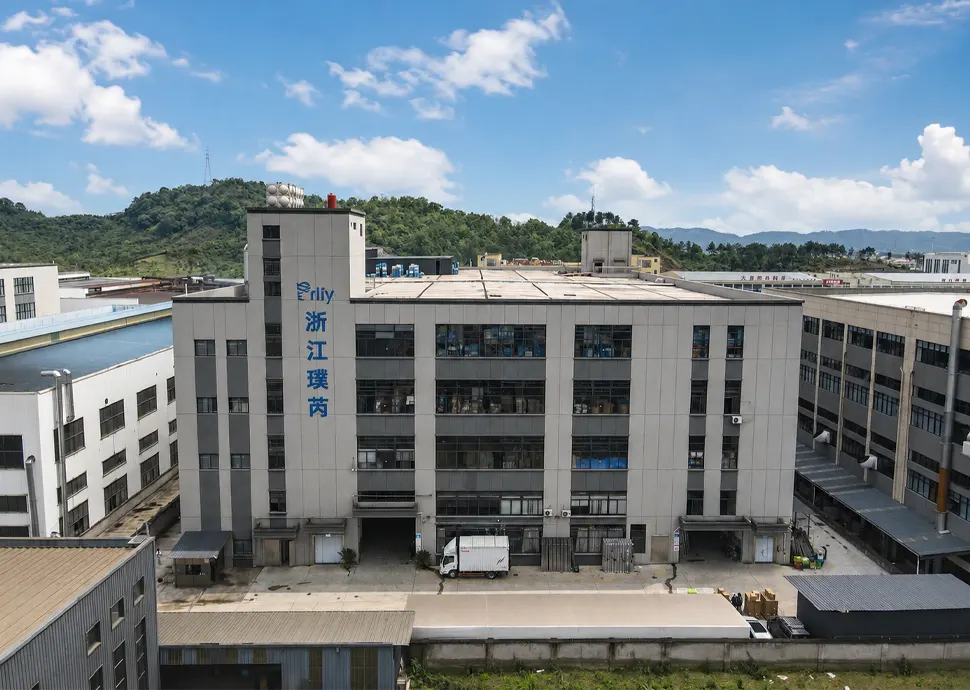
It Didn’t Feel Like “Production” — It Felt Like a System
I expected something noisy, crowded, maybe a bit chaotic.
But that wasn’t what I saw.
The factory felt more like a system that runs on consistency.
Machines were moving, but not randomly.
People were busy, but not rushing.
It didn’t feel like “making products.”
It felt like maintaining a process that works, over and over again.
And that difference stayed with me throughout the entire visit.
It All Starts With a Steel Tube
At the beginning, there’s nothing impressive.
Just a stainless steel tube.
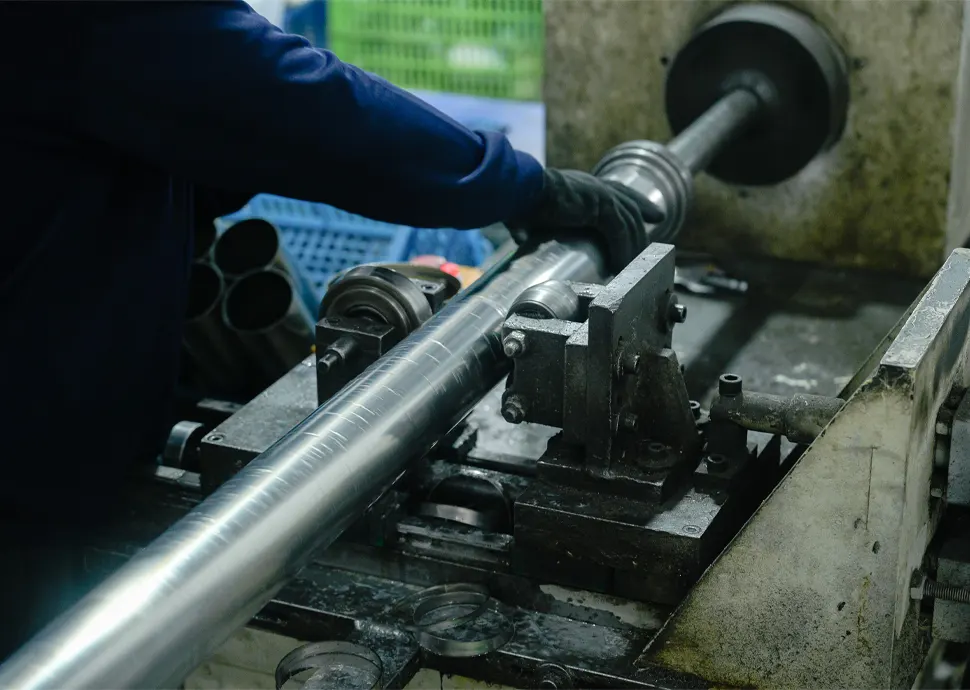
It gets cut into sections, then sent through different steps—rolling, pressing seams, moving forward piece by piece.
Standing there, I had a strange realization:
It still looked like a tube.
But somehow, you already knew what it was going to become.
The Moment It Finally Looked Like a Tumbler
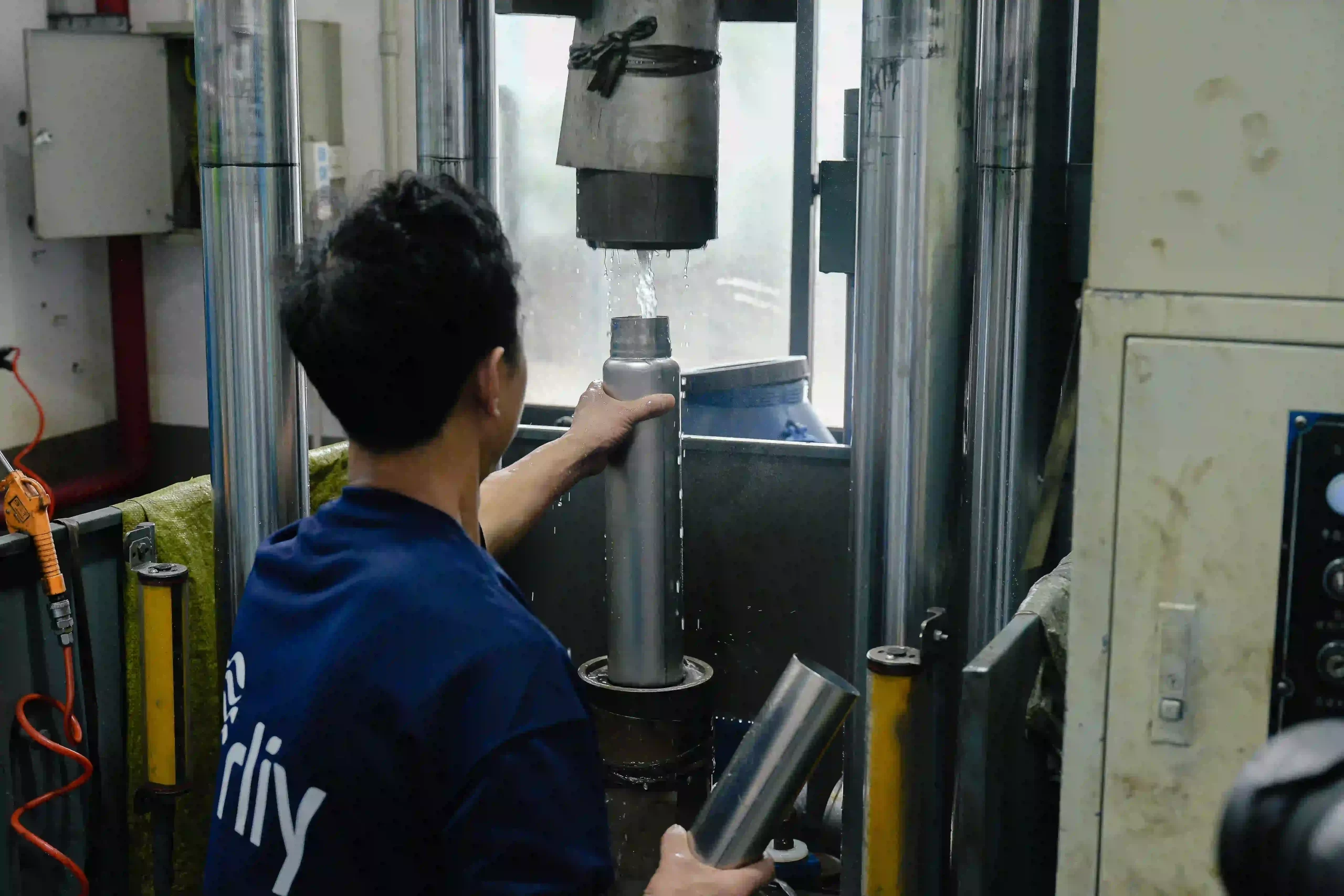
There’s a process called hydroforming.
Pressure reshapes the steel—turning that simple tube into something that finally resembles a cup.
I remember watching that moment very clearly.
Before that, it was just material.
After that, it felt like the first version of a real product.
Everything After That Is About Removing, Not Adding
The next steps were things I had never really thought about before:
Cutting. Reshaping the opening. Trimming excess material.
And that’s when something clicked.
It wasn’t about adding more features.
It was about removing everything that shouldn’t be there—until only the right shape remains.
Pre-Check and Inspection Changed How I See “Consistency”
One step they mentioned was something like a “pre-check” before moving forward.
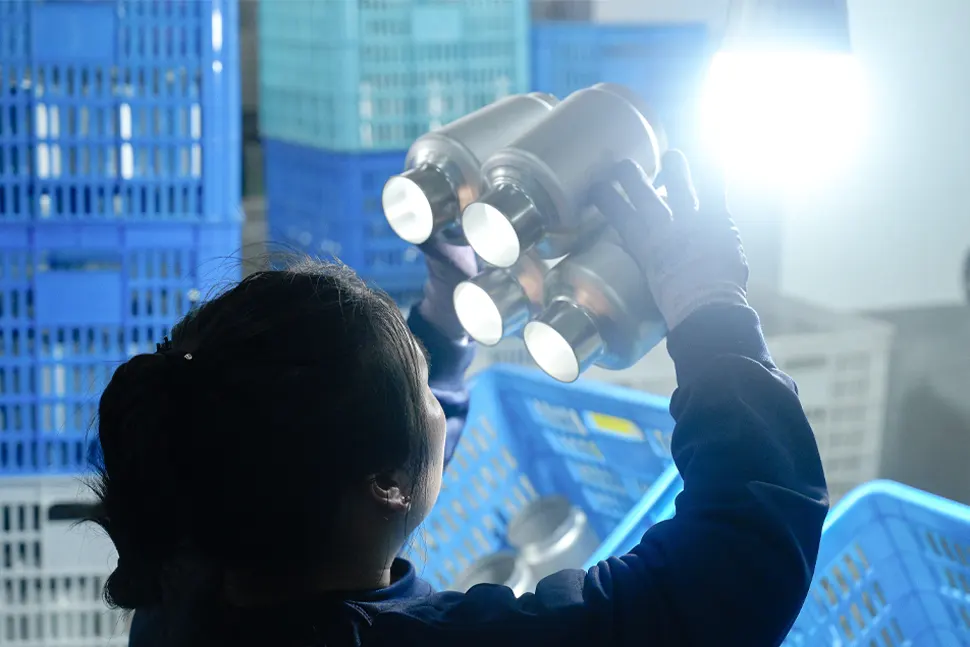
Then later, I saw inspection under strong lighting.
That’s when I realized something important:
Issues are not supposed to be found at the end.
They’re supposed to be stopped along the way.
Before this, I always thought the difference between a “perfect sample” and bulk production was somewhat random.
Now it feels different.
Without these checkpoints, inconsistency is almost inevitable.
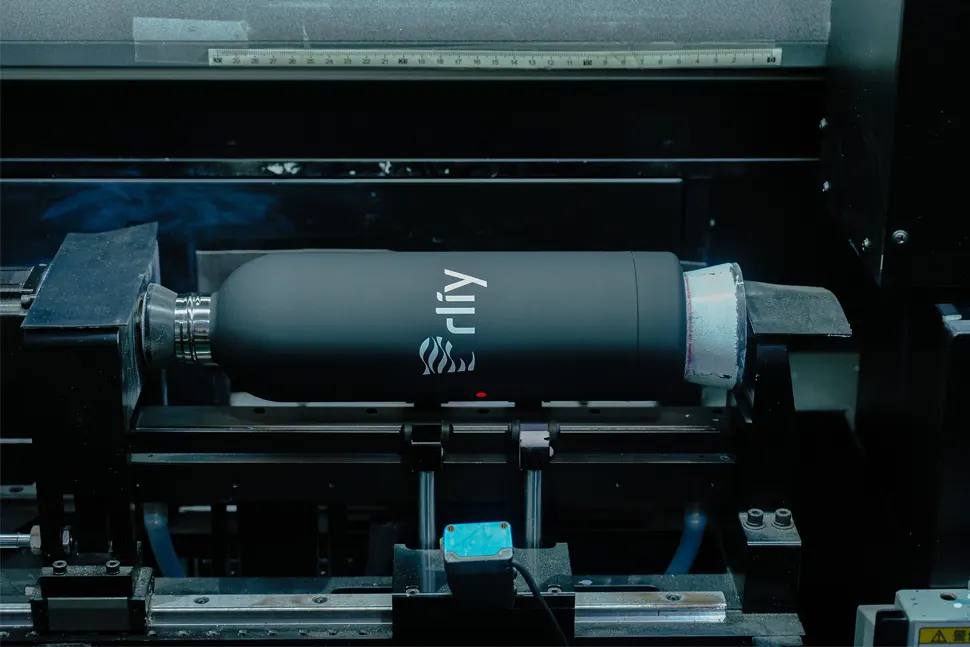
I Put a Logo on It — And It Felt Different
At some point, I got to try something myself.
I added a laser logo and also saw how a 3D logo is applied.
The process itself wasn’t complicated.
But the moment the logo appeared on the surface, it felt… different.
It’s hard to explain, but suddenly the product didn’t feel distant anymore.
It felt like I had, even in a small way, been part of it.
The Packaging Factory Was Unexpectedly Eye-Opening
Later, I also visited a packaging facility.
And this part surprised me the most.
Many machines there are designed to run at scale—thousands, sometimes tens of thousands at a time.
They’re not meant for small batches.
So when an order only requires a few hundred boxes, production might actually rely on manual or semi-automatic processes—which can be slower.
That was a perspective I hadn’t considered before.
Sometimes, what affects delivery timelines isn’t the product itself—
but the supporting processes around it.
What I Actually Learned That Day
On the way back, I kept thinking about one thing.
Before this visit, I naturally focused on price, features, and visible details.
But now, I pay more attention to something else:
How stable the process is.
Because if any part of that process is unstable,
the final result won’t be stable either.
Final Thoughts
There probably isn’t a “perfect” tumbler factory.
But there is something you can keep improving:
Consistency. Reliability. Control over the process.
That’s what makes a difference over time.
And in the end, for most people, it all comes down to a simple moment—
You take a sip of something cold on a hot day,
and it just feels right.
But before that moment happens,
a lot of things have already gone right.

Written by
Prliy
Prliy is a manufacturer focused on stainless steel drinkware, specializing in both core components and finished products. We are committed to creating bottles that perform reliably in everyday life — with a strong focus on insulation, food safety, and long-term durability.
Our products are developed and manufactured under strict, standardized, and sustainable processes, meeting multiple international food safety and environmental standards.
With years of industry experience, Prliy operates two stable production facilities in Zhejiang, China, along with an overseas warehouse in the United States. This integrated system — covering manufacturing, warehousing, and delivery — allows us to respond efficiently to customer needs while ensuring stable, long-term supply capabilities.
-
Share
-

-

-