Home /
 Contact Us
I’ve always felt that most sourcing “mistakes” don’t really come from carelessness.
More often, they happen at a moment when everything still seems… fine.
When you make a decision that feels reasonable at the time —
and only later realize something was slightly off.
Especially when what you’re sourcing looks simple.
Like a tumbler.
It’s just stainless steel, right? A lid, a body, maybe a logo.
And honestly, that’s exactly where things start getting complicated.
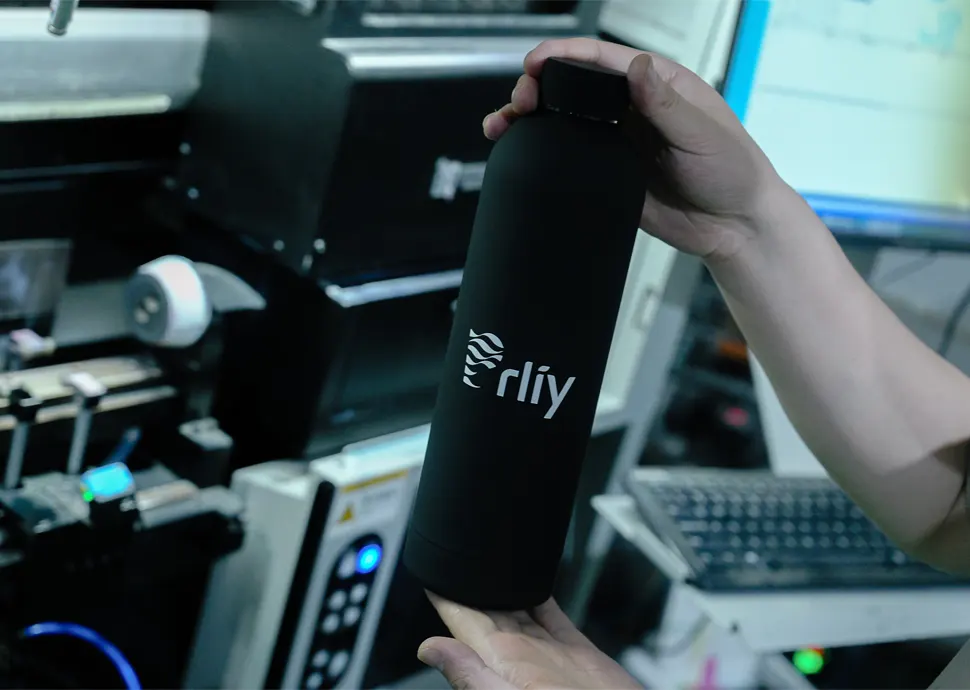
There’s one situation I’ve seen more times than I can count.
The sample looks great.
Not just “acceptable” — but the kind of good that makes you pause for a second.
The color is right, the finish feels nice, the logo is clean.
It even photographs well.
And naturally, you think:
“Okay, this works. Let’s move forward.”
Then the bulk order arrives.
And something feels… off.
Not in an obvious, catastrophic way.
Nothing you can easily point to and say, “this is wrong.”
But when you actually hold the product,
there’s this subtle sense that it’s just not quite the same.
The color is slightly different.
The coating doesn’t feel as refined.
The logo placement looks “close enough” — but not quite right.
And the most frustrating part?
It’s surprisingly hard to explain what exactly went wrong.
Because technically, every detail can be justified as
“within acceptable tolerance.”
But when everything adds up,
the overall result just doesn’t feel right.
And that feeling… is very real.
Then there’s design communication.
Especially when it comes to logos, colors, and surface finishes.
You think you’ve been clear.
You say “matte black,”
and what comes back feels a little… off in tone.
You say “something more premium,”
and it gets interpreted as “keep it simple.”
In your head, the vision is actually quite specific.
You can already picture how the product should look on a shelf.
But through rounds of back-and-forth,
that image slowly shifts.
Files get revised.
Conversations are thorough.
Everyone is trying.
And yet somehow, the final result still ends up
slightly different from what you originally had in mind.
It’s not really anyone’s fault.
Some things are just… hard to translate perfectly.
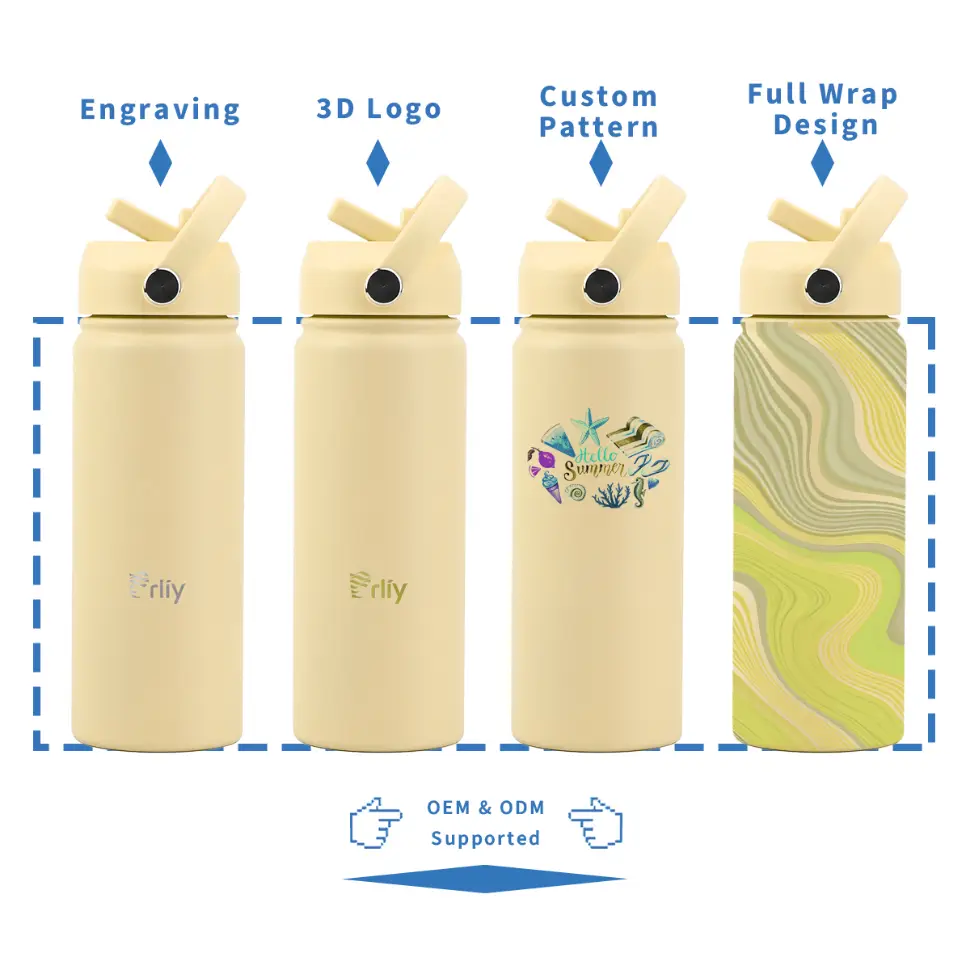
And then there’s timing.
This is something people don’t always pay much attention to at the beginning.
Because early on, everything seems to be on track.
But once production and shipping begin,
even a small delay can start to ripple.
Let’s say you have a product launch planned.
You’re counting on the shipment arriving at a very specific time.
And then it’s delayed by a few days.
Just a few days.
But in reality, that can mean:
Your photoshoot needs to be rescheduled.
Your content timeline shifts.
Your marketing plan gets pushed back.
You’re not dealing with a single major issue —
you’re dealing with a series of small disruptions that slowly stack up.
And that can be surprisingly draining.
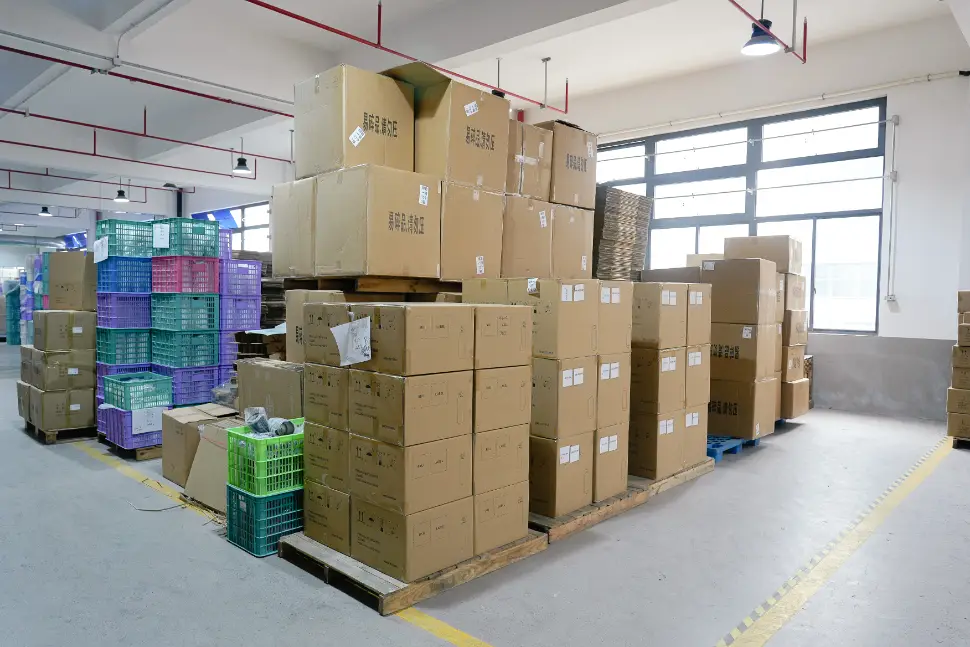
Over time, you start to notice something.
Price is rarely the part that causes the most stress.
What really affects the outcome
are the things that run quietly through the entire process:
Whether communication is actually understood.
Whether details are executed consistently.
Whether timelines are taken seriously.
Whether each step stays within expectation.
They all sound basic.
But the moment one of them becomes unstable,
the final result starts to drift.
That’s also something we’ve gradually learned ourselves.
Instead of focusing only on the obvious factors,
we’ve spent more time trying to make these “small things” more stable.
During sampling,
we try to turn vague impressions into clearer references.
In design communication,
we rely less on interpretation, and more on alignment.
With timelines,
we leave room for buffers instead of cutting it too close.
To be honest, none of this is particularly glamorous.
And yes — it can get a bit frustrating at times.
But when these parts become more predictable,
the entire process feels a lot smoother.

Maybe there’s no such thing as a “perfect” tumbler manufacturer.
But what we keep trying to do
is make things a little more stable, a little more predictable —
and a little easier to work with.
Because if we can help avoid even one of those moments where
“nothing is obviously wrong, but something just doesn’t feel right,”
then we’re probably moving in the right direction.

Written by
Prliy
Prliy is a manufacturer focused on stainless steel drinkware, specializing in both core components and finished products. We are committed to creating bottles that perform reliably in everyday life — with a strong focus on insulation, food safety, and long-term durability.
Our products are developed and manufactured under strict, standardized, and sustainable processes, meeting multiple international food safety and environmental standards.
With years of industry experience, Prliy operates two stable production facilities in Zhejiang, China, along with an overseas warehouse in the United States. This integrated system — covering manufacturing, warehousing, and delivery — allows us to respond efficiently to customer needs while ensuring stable, long-term supply capabilities.
-
Share
-

-

-